
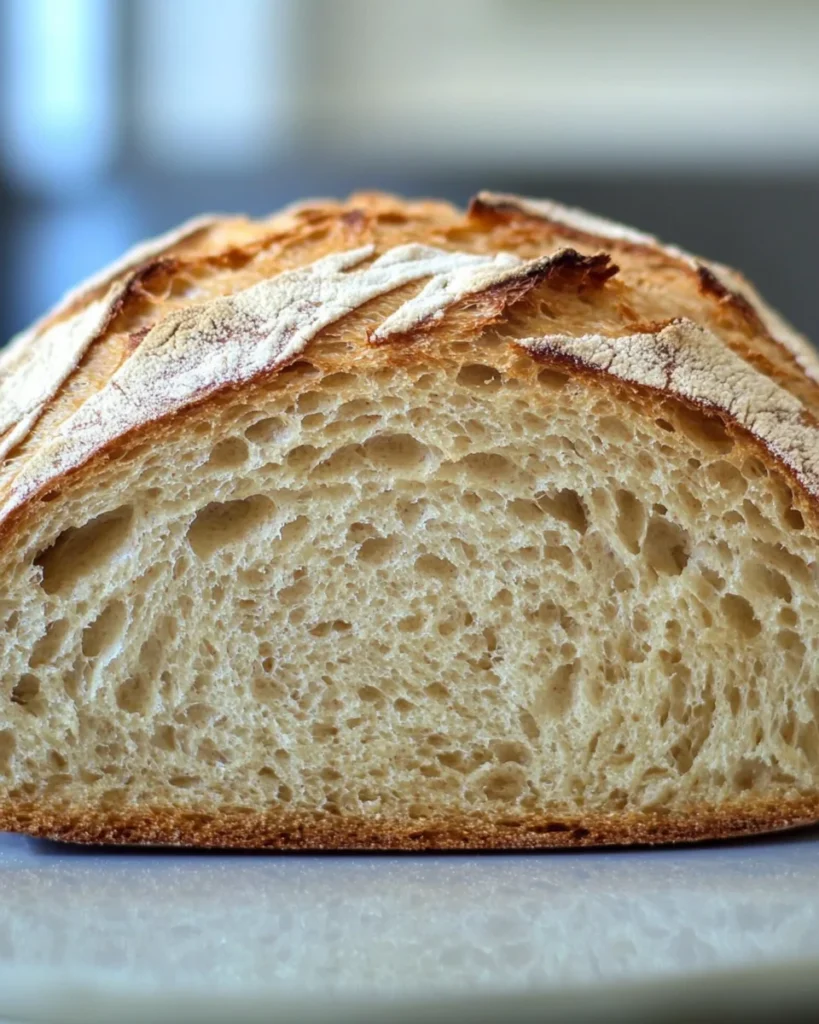
This Beginners Sourdough bread recipe: High starter method is perfect for those who want to bake their first loaf of sourdough bread. With a generous amount of active starter, this recipe ensures a rapid rise and a fluffy, flavorful bread. Ideal for any occasion, whether you’re serving it at dinner or enjoying a slice with your morning coffee, this bread will impress your friends and family.
Why You’ll Love This Recipe
- Easy to follow: The high starter method simplifies the process and ensures success even for beginners.
- Quick rising: With more starter, this dough rises faster than traditional sourdough recipes.
- Delicious flavor: The fermentation process enhances the taste, giving you that authentic sourdough tang.
- Versatile uses: Enjoy it as toast, sandwich bread, or simply with butter; it fits any meal beautifully.
- Satisfying baking experience: Watching the dough transform into beautiful crusty loaves is rewarding!
Tools and Preparation
Before starting your baking adventure, gather the necessary tools. Having everything ready will make your sourdough experience smooth and enjoyable.
Essential Tools and Equipment
- Mixing bowl (non-metal)
- Whisk
- Large spoon
- Clean damp kitchen towel
- Proofing basket or towel
- Parchment paper
- Dutch oven
Importance of Each Tool
- Mixing bowl (non-metal): Prevents reactions between the metal and acidic dough, ensuring better fermentation.
- Dutch oven: Creates steam during baking, leading to a crusty exterior and soft interior.
Ingredients
Here are the ingredients you’ll need for the Beginners Sourdough bread recipe: High starter method:
For the Bread
- 2 cups Active Sourdough Starter (400 grams) (active and bubbly, made from equal parts flour and water)
- 3 cups Sifted All-Purpose Flour (360 grams)
- 1 cup Warm Water (240 grams)
- 1.5 teaspoons Salt (≈9 grams)
How to Make Beginners Sourdough bread recipe: High starter method
Step 1: Prepare Your Dough
- In a large mixing bowl (not metal), add 2 cups (400 grams) of active sourdough starter. Ensure your starter is fed and kept out of the fridge for at least 4 hours or overnight.
- Add 1 cup of warm water and whisk until well combined with the starter.
Step 2: Mix in Dry Ingredients
- Add 3 cups of sifted all-purpose flour. Be sure to sift or fluff your flour before measuring so it isn’t too compact in the measuring cup.
- Add 1.5 teaspoons of salt; Himalayan Pink Salt works great for flavor.
- Use a large spoon to mix everything together. The dough should be wet and resemble biscuit dough.
Step 3: First Rise
- Cover this shaggy dough with a clean damp kitchen towel.
- Let it rest in a warm place for about 2 hours or in a warm oven set at approximately 80 degrees Fahrenheit for about 1 hour.
Step 4: Stretch and Fold
- After 2 hours, uncover the dough. With wet hands, pick up one side of the dough and fold it over on top of itself.
- Rotate the bowl 90 degrees and repeat this process around four to six times on all sides.
- Cover again with a clean towel and allow it to rise until doubled in size (about 45 minutes depending on room temperature).
Step 5: Repeat Stretch & Fold Process
Repeat steps similar to Step 4 three more times:
1. Uncover the dough each time with wet hands.
2. Fold over all four sides consistently until it becomes smooth and fluffy.
Step 6: Shape Your Loaf
- After completing the fourth stretch and fold, shape your dough into a round loaf.
- Dust either a towel or proofing basket generously with flour.
- Place your shaped sourdough ball into it; dust the top with more flour and cover gently with a clean towel.
Step 7: Refrigerate Your Dough
Chill your shaped loaf in the refrigerator for about 4 to 8 hours for flavor development.
Step 8: Preheat Oven
Preheat your oven to 400 degrees Fahrenheit along with your dutch oven inside.
Step 9: Prepare for Baking
- Cut a two-foot section of parchment paper and place it on your counter.
- Gently turn out your chilled sourdough ball onto the parchment paper.
Step 10: Score Your Dough
Using a very sharp knife or razor, score a design into the top of your dough.
Step 11: Bake Your Bread
- Carefully remove the hot dutch oven from your preheated oven.
- Lift the raw sourdough loaf using parchment paper into the dutch oven; it’s fine if some hangs over the edges.
- Place the lid on your dutch oven and bake covered for about 25 minutes.
Final Steps
- Remove the lid from your dutch oven after initial baking time is complete.
- Bake uncovered for an additional 25 minutes to get that perfect golden crust!
- Once done, let cool before slicing into it—enjoy!
Feel free to ask questions in the comments section! Don’t forget to rate this recipe card after trying out this delightful beginners sourdough bread!
How to Serve Beginners Sourdough bread recipe: High starter method
Freshly baked sourdough bread is a delightful addition to any meal. Here are some serving suggestions to elevate your dining experience.
With Butter and Jam
- Spread a generous layer of softened butter over warm slices and top with your favorite fruit jam for a sweet treat.
As a Sandwich Base
- Use the bread to make delicious sandwiches filled with meats, cheeses, and fresh vegetables. The crusty exterior holds up well to hearty fillings.
Toasted with Olive Oil
- Drizzle slices with high-quality olive oil and toast them for a perfect appetizer or side dish. You can sprinkle some herbs for extra flavor.
Accompanied by Cheese
- Pair your sourdough with a selection of cheeses for an elegant cheese board. Soft cheeses like Brie or goat cheese work beautifully.
Served with Soup
- Use the bread to dip into your favorite soups. Its texture complements creamy tomato or hearty vegetable soups perfectly.
As Croutons in Salads
- Cube stale sourdough and toss it in olive oil, then bake until crispy. These croutons add a lovely crunch to salads.
How to Perfect Beginners Sourdough bread recipe: High starter method
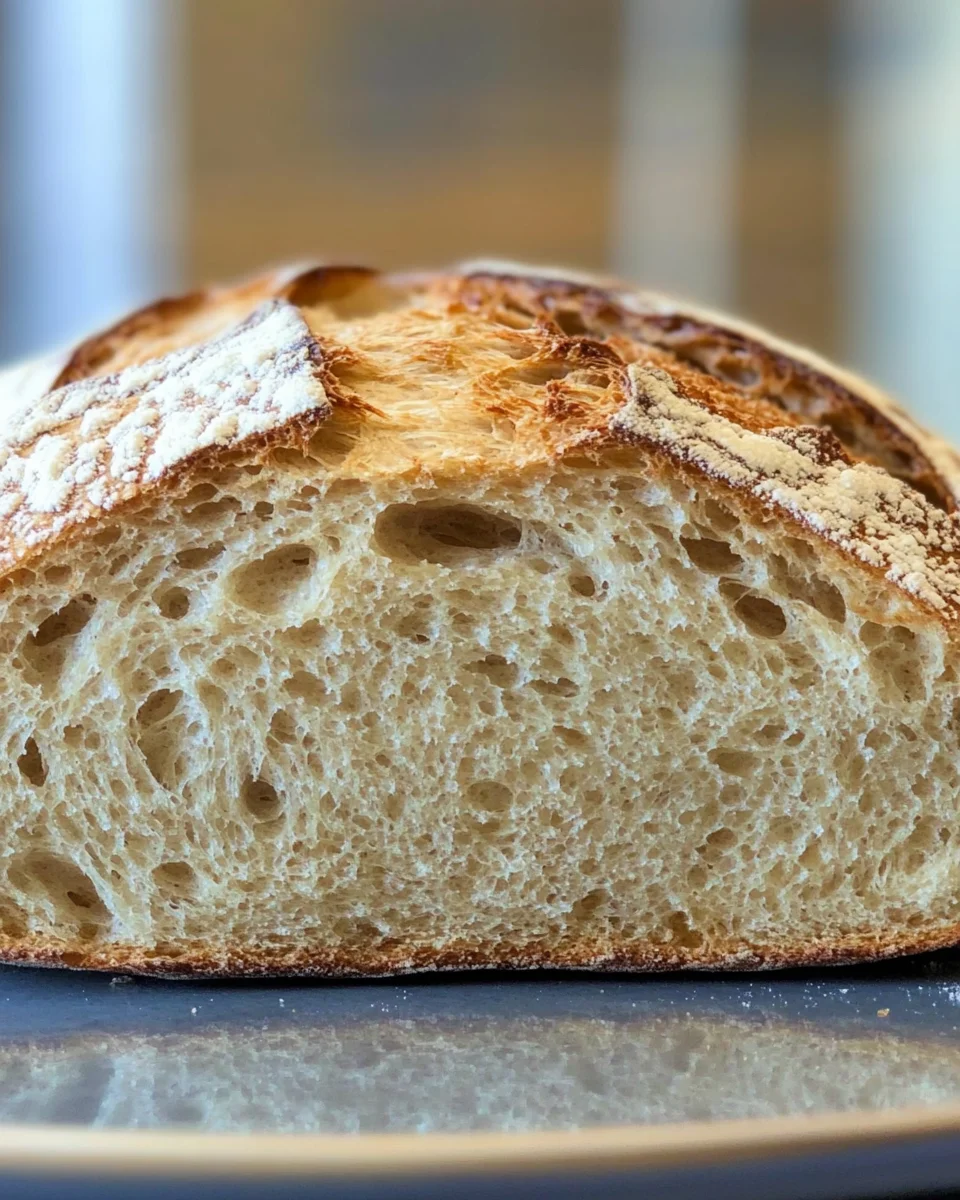
Perfecting your sourdough baking takes practice and patience. Here are some tips to help you achieve the best results.
Use Active Starter: Ensure your sourdough starter is bubbly and active before using it in this recipe. This ensures proper fermentation and rise.
Monitor Dough Temperature: Keep an eye on the dough temperature; warmer dough rises faster. If it’s too cold, consider placing it in a warmer spot.
Practice Stretching Technique: Master the stretch and fold technique as it develops gluten structure, leading to better rise and texture.
Be Patient: Allow sufficient time for each rise; rushing this process can result in dense bread.
Score Deeply: When scoring the dough, make sure to cut deeply enough; this allows for controlled expansion during baking.
Cool Before Slicing: Let your bread cool completely before slicing; this helps set the crumb structure, making it easier to cut.
Best Side Dishes for Beginners Sourdough bread recipe: High starter method
Sourdough bread pairs wonderfully with various side dishes that enhance its flavors. Here are some great options:
Garlic Butter Shrimp: Quick-cooked shrimp sautéed in garlic butter is an excellent pairing that complements the bread’s texture.
Caprese Salad: Fresh tomatoes, mozzarella, basil, drizzled with balsamic reduction create a refreshing side that balances the richness of sourdough.
Roasted Vegetables: Seasonal vegetables roasted until caramelized provide sweetness that contrasts beautifully with the tang of sourdough.
Creamy Tomato Soup: A classic pairing where the tangy soup benefits from dipping chunks of crusty sourdough.
Antipasto Platter: A selection of cured meats, olives, and marinated vegetables creates a delightful spread alongside sourdough.
Spinach Artichoke Dip: Creamy dip loaded with flavors that works perfectly as a spread on toasted slices of sourdough.
Greek Salad: Crisp cucumbers, tomatoes, olives, and feta tossed together add freshness that pairs nicely with the hearty bread.
Chili Con Carne: A bowl of spicy chili served alongside warm sourdough makes for a comforting meal on colder days.
Common Mistakes to Avoid
Making sourdough bread can be a delightful experience, but there are a few common pitfalls to watch out for.
- starter choice: Using a non-active starter can lead to disappointing results. Ensure your starter is bubbly and has been fed recently before using it.
- incorrect flour measurement: Not sifting or fluffing your flour can cause it to be too compact. Always sift or fluff the flour for accurate measurements.
- neglecting dough temperature: The warmth of your kitchen affects rising time. If it’s too cold, consider placing the dough in a slightly warm oven.
- skipping stretch and folds: Each stretch and fold helps develop gluten. Don’t skip this step; it’s essential for achieving a great texture.
- omitting scoring: Failing to score your dough can result in an uneven rise. Always use a sharp knife to create designs on top before baking.
Storage & Reheating Instructions
Refrigerator Storage
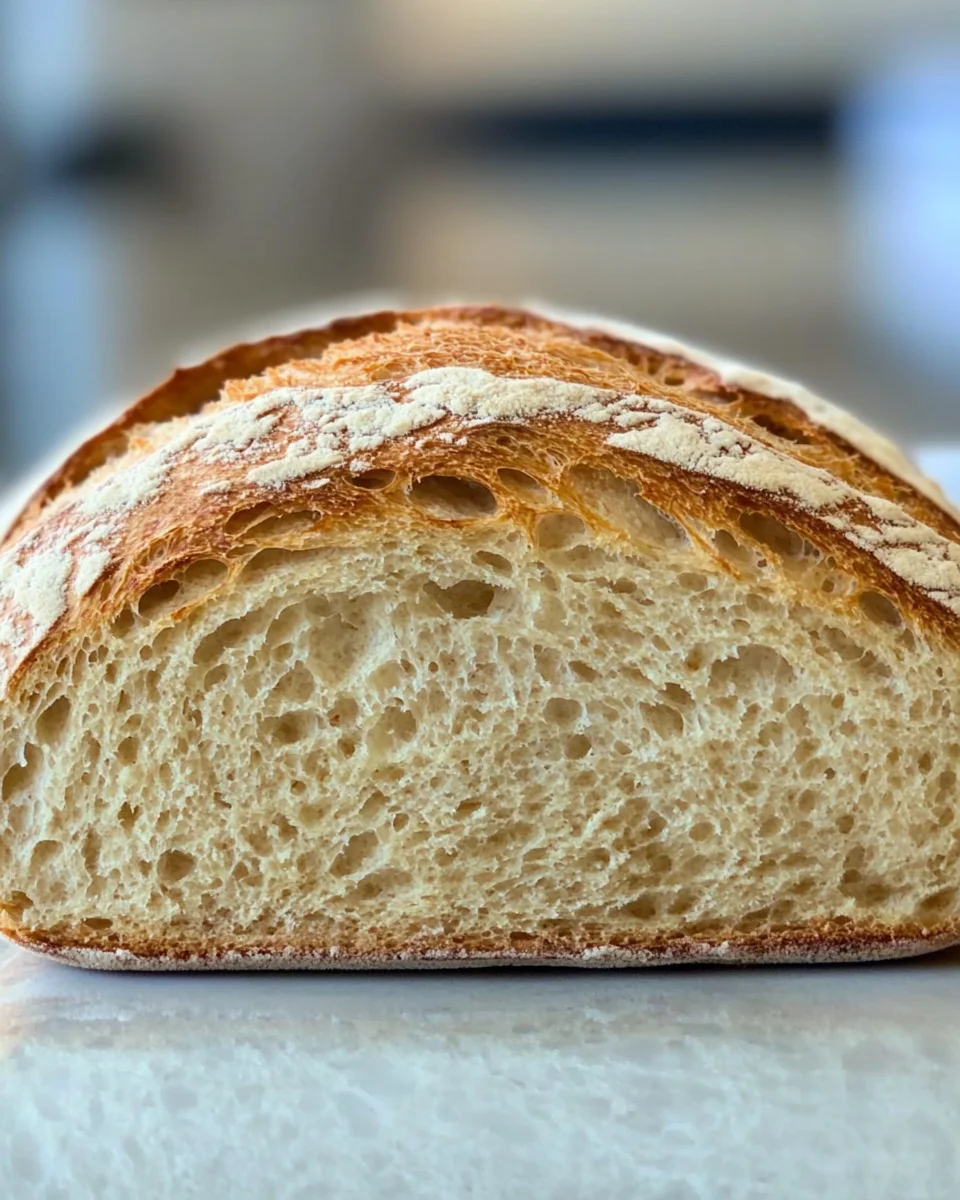
- Store the sourdough bread in a paper bag or wrapped loosely in plastic wrap for up to 3 days.
- For longer freshness, keep it in an airtight container in the refrigerator for about 5-7 days.
Freezing Beginners Sourdough bread recipe: High starter method
- Slice the bread before freezing for easier use later. Wrap slices tightly in plastic wrap and place them in a freezer-safe bag.
- It can be frozen for up to 3 months without losing flavor or texture.
Reheating Beginners Sourdough bread recipe: High starter method
- Oven: Preheat the oven to 350°F (175°C). Place the bread directly on the rack for about 10-15 minutes until warmed through.
- Microwave: Wrap slices in a damp paper towel and heat on medium power for about 15-20 seconds at a time until warm.
- Stovetop: Place slices in a skillet over low heat, covering with a lid until warmed, about 2-3 minutes per side.
Frequently Asked Questions
Here are some common questions people have about this beginners sourdough bread recipe.
How does the high starter method work?
The high starter method uses more active sourdough starter, which accelerates fermentation and helps achieve better rise and flavor in your loaf.
Can I use whole wheat flour?
You can replace some of the all-purpose flour with whole wheat flour for added nutrition. Just be aware that it may alter the texture slightly.
What if my dough isn’t rising?
If your dough isn’t rising, check that your starter is active and bubbly. A cooler kitchen may require more time for fermentation.
Is this beginners sourdough bread recipe suitable for beginners?
Yes! This recipe is designed specifically for beginners, making it forgiving and easy to follow while still yielding delicious results.
Final Thoughts
This Beginners Sourdough Bread Recipe: High Starter Method makes baking your first loaf both enjoyable and rewarding. With its forgiving nature, it’s perfect even if you’re new to sourdough. Plus, you can customize flavors by adding herbs or seeds! Give it a try, and enjoy the wonderful aroma of freshly baked bread at home!
Beginners Sourdough bread recipe: High starter method
Experience the joy of baking with this Beginners Sourdough Bread Recipe: High Starter Method. Designed for novice bakers, this recipe utilizes a generous amount of active sourdough starter to create a delightful loaf that’s fluffy and bursting with flavor. In just a few hours, you’ll have a beautiful, crusty bread that’s perfect for any meal—whether served as toast, sandwiches, or simply enjoyed with butter. The high hydration method not only simplifies the process but also enhances fermentation for that signature tangy taste beloved by sourdough enthusiasts. With easy-to-follow instructions and helpful tips, this recipe guarantees success on your first attempt. Get ready to impress your family and friends with your homemade sourdough!
- Prep Time: 20 minutes
- Cook Time: 50 minutes
- Total Time: 1 hour 10 minutes
- Yield: Approximately 12 servings 1x
- Category: Bread
- Method: Baking
- Cuisine: American
Ingredients
- 2 cups Active Sourdough Starter (400 grams)
- 3 cups Sifted All-Purpose Flour (360 grams)
- 1 cup Warm Water (240 grams)
- 1.5 teaspoons Salt (≈9 grams)
Instructions
- In a large non-metal mixing bowl, combine the active sourdough starter and warm water; whisk until mixed.
- Gradually add sifted all-purpose flour and salt; mix until dough resembles biscuit dough.
- Cover the dough with a damp towel and let it rise in a warm place for about 2 hours.
- Perform the stretch and fold technique every 45 minutes until the dough is smooth and doubled in size.
- Shape the dough into a round loaf and place it in a proofing basket; let it chill in the refrigerator for 4 to 8 hours.
- Preheat your oven to 400°F (200°C) and bake the loaf in a preheated Dutch oven covered for 25 minutes, then uncover and bake for an additional 25 minutes.
Nutrition
- Serving Size: 1 slice (60g)
- Calories: 150
- Sugar: 0g
- Sodium: 200mg
- Fat: 0.5g
- Saturated Fat: 0g
- Unsaturated Fat: 0.5g
- Trans Fat: 0g
- Carbohydrates: 31g
- Fiber: 1g
- Protein: 4g
- Cholesterol: 0mg